Guided options
Join a guided samba night
The public space is free. This paid evening option includes a guide, transfers and a welcome drink; confirm the live-music schedule for your date.
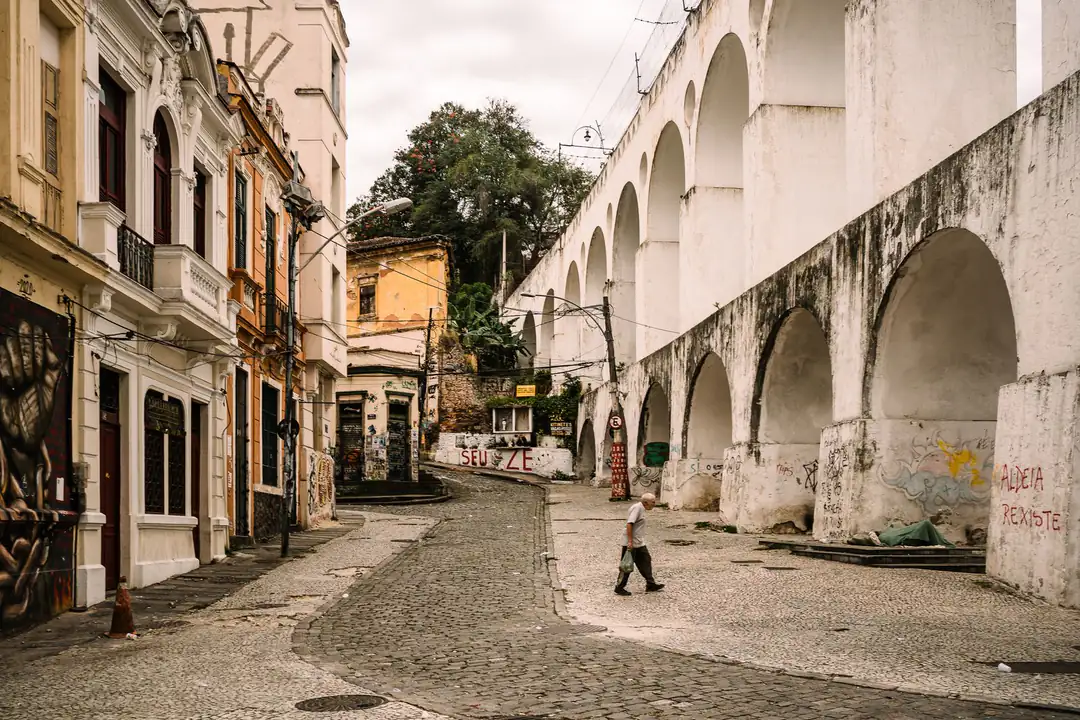
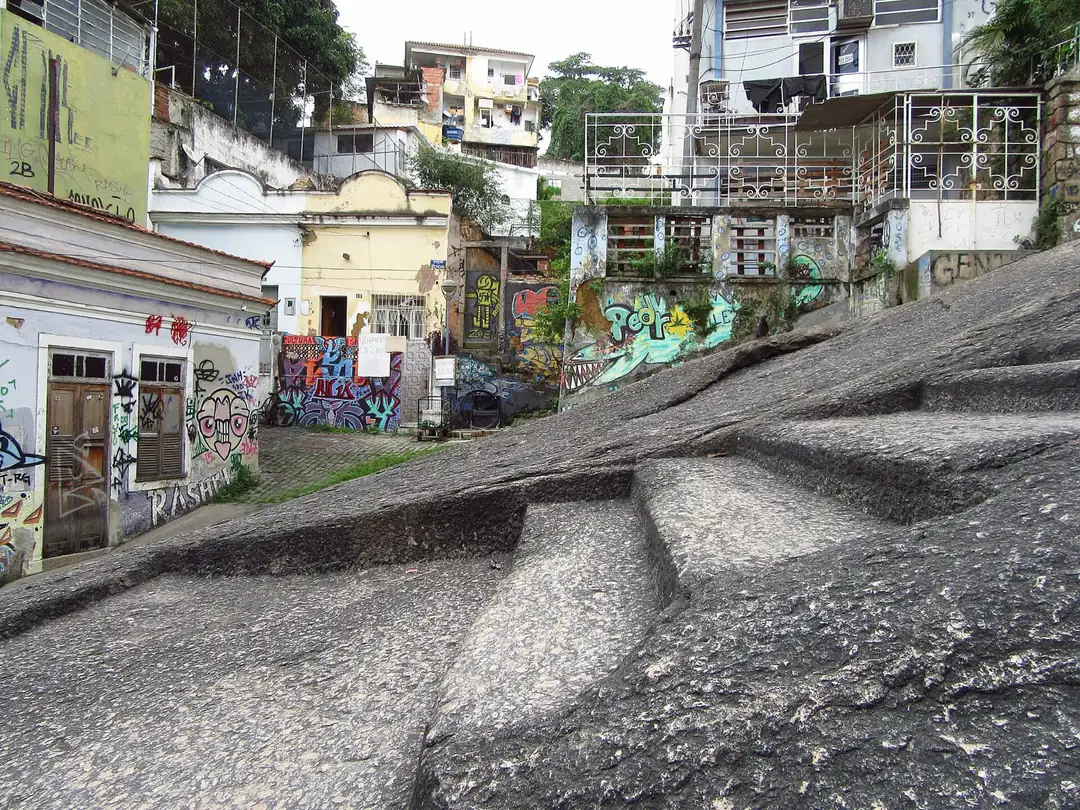
Pedra do Sal is often described as a place to hear samba on a Monday night. That is true, but it leaves out why the place matters. The steps and surrounding streets form part of Pequena África, the port-area landscape tied to Afro-Brazilian religion, labour, community and the development of samba in Rio.
Visit with that history in mind. You can see the site in daylight on a wider heritage walk, or come for an evening roda de samba when one is scheduled. They are different experiences, and the daytime visit is worthwhile even if your trip does not include a Monday.
Why is Pedra do Sal important?

Riotur's Pequena África route describes Pedra do Sal as a religious and historical landmark of Afro-Brazilian culture. It connects the former salt-unloading area with Black residents, Bahian women known as tias baianas, dockworkers, capoeira and early samba circles.
This is not simply a backdrop for nightlife photographs. Read about the neighbourhood and make time for nearby sites such as Cais do Valongo when planning a heritage-focused day. A knowledgeable local guide can connect places that are easy to walk past without recognising their significance.
When should you go for samba?
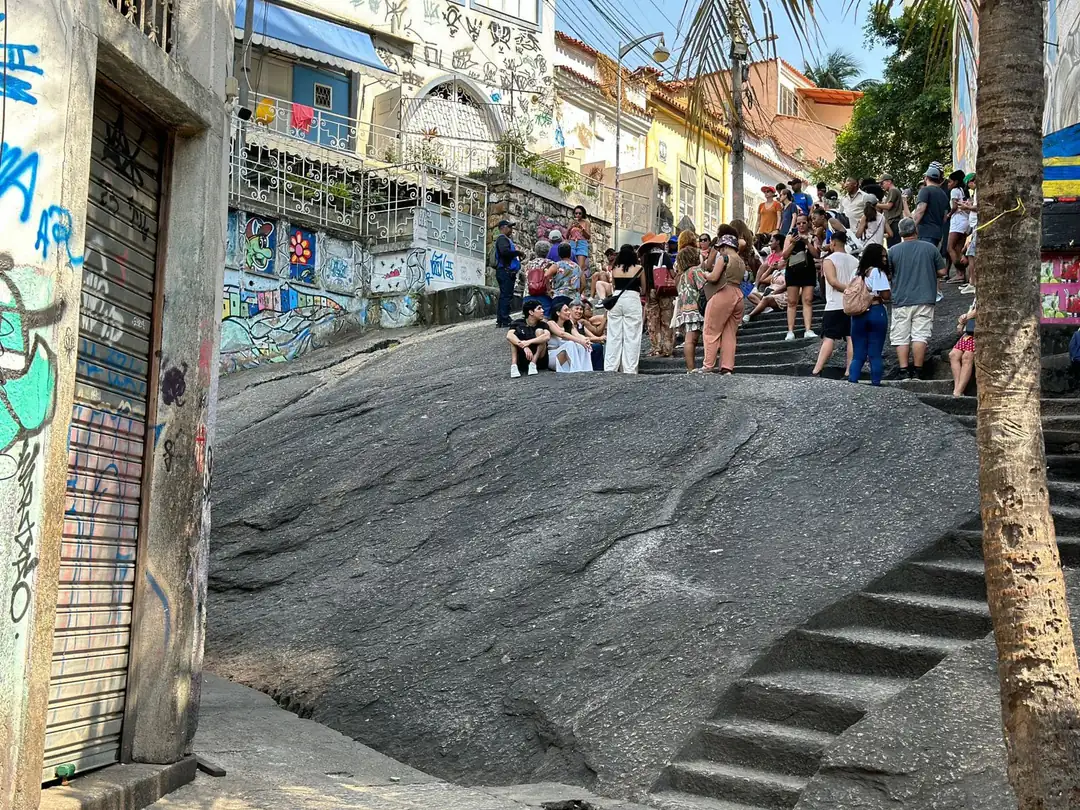
Monday night is the best-known roda de samba, and Riotur also mentions Friday gatherings. Events can shift or pause, so check a current local programme before travelling across the city solely for a particular night. There is no guarantee that every visit will look like an online video.
The public space itself is not a ticketed venue. A guided evening outing may include a drink or transfers; those are paid additions. Respect performers and residents, ask before taking close-up photos, and support vendors if you use their space and services.
How do you get there and leave?
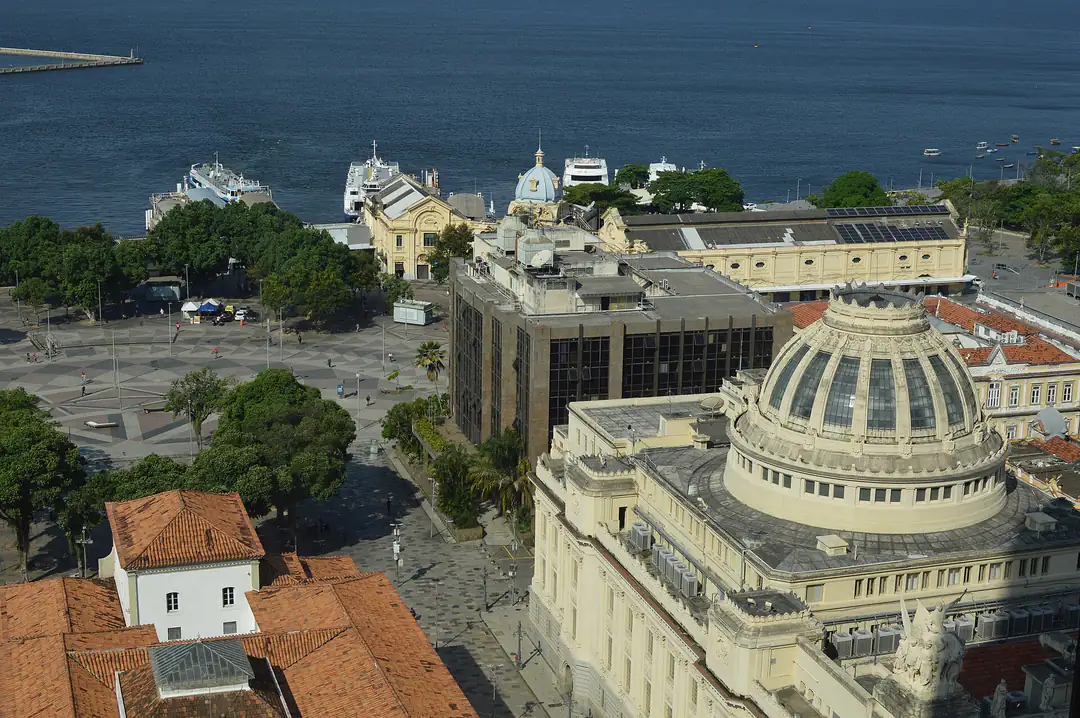
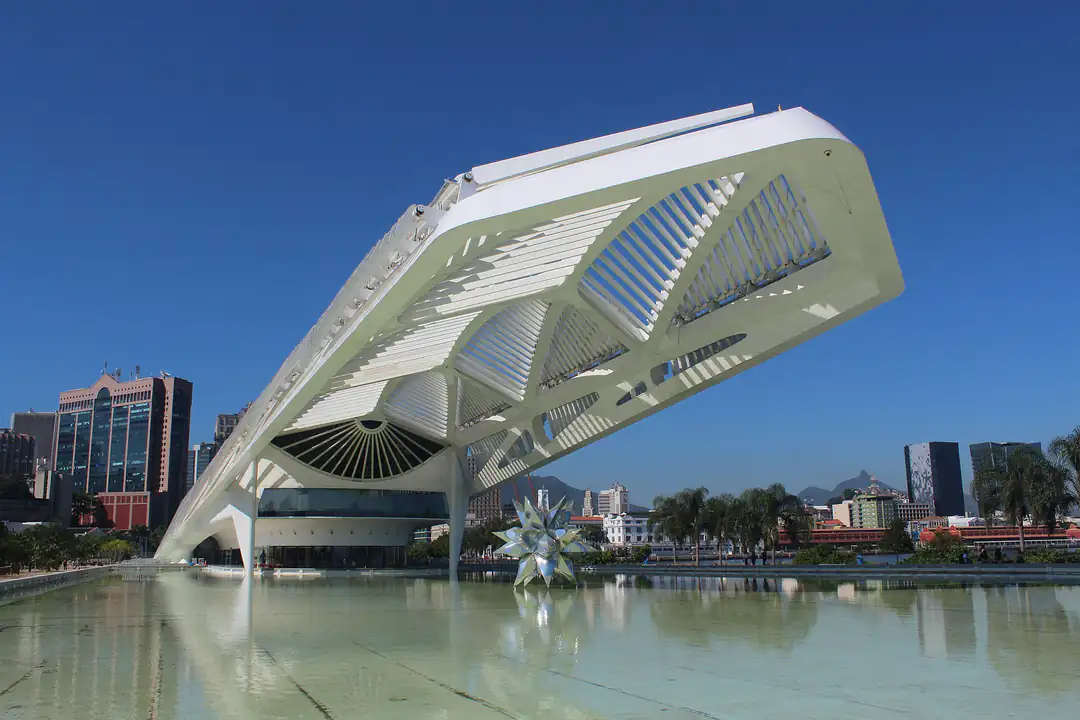
Pedra do Sal is around Rua Tia Ciata in the Saúde/Gamboa port area. For a daytime trip, combine it with the Museum of Tomorrow and a purposeful Pequena África route rather than wandering without a map. For an evening visit, plan your return before you arrive: use a licensed taxi or app car from a suitable pickup point if you do not know the streets.
Expect crowds at popular rodas. Carry only what you need, keep your phone secure and choose a meeting place if travelling with friends. Normal city precautions are more useful than dramatic warnings.
What is a thoughtful first-visit plan?
Start with the port district's history in daylight, then return for samba if the current schedule fits. This gives you a better understanding of the place and avoids asking a night out to do all the cultural work. Our downtown walking route covers the wider centre, while the Rio nightlife guide helps with evening choices.
If you want company and explanations, a guided samba night can be convenient. Check exactly whether it includes Pedra do Sal, a live roda, transfer arrangements and any drink, since each operator packages the outing differently.
FAQ - Pedra do Sal, Rio
Is Pedra do Sal only a samba venue?
No. It is also a landmark of Afro-Brazilian history and the Pequena África area.
What night is samba at Pedra do Sal?
Monday is the best-known night; Friday events also occur. Check a current programme before going.
Is there an entrance fee?
The public space itself is not a ticketed attraction. Guided outings and purchases from vendors cost extra.
Can you visit during the day?
Yes. A daytime visit is particularly useful if you want to understand the surrounding heritage.
Where exactly is it?
Around Rua Tia Ciata in the Saúde/Gamboa port area of Rio.
Do you need a guide?
No, but a good local heritage guide can explain connections that are easy to miss on your own.
Is it suitable for children?
A daytime heritage walk is the easier family choice. Evening samba crowds and late hours need more planning.
How should you get back after samba?
Arrange a suitable taxi or app-car pickup and stay with your group while leaving the crowded area.