

Rio has a reputation that tends to arrive before you do. Mention that you are travelling to Rio de Janeiro and somebody will probably have a story about safety. Quite often, that somebody has never actually been to Brazil.
The more useful answer is that Rio requires more awareness than many European tourist cities, but millions of visitors explore it without problems every year. You do not need to spend your holiday nervously checking over your shoulder. You do need to understand where you are going and avoid a few unnecessary risks. Here is how I would approach safety on a trip to Rio.
Is Rio de Janeiro safe for tourists?
Rio is a huge city, so asking whether the whole of Rio is safe is a little like asking whether the whole of London or New York feels the same at night. It does not.
Most visitors spend much of their time in areas such as Copacabana, Ipanema, Leblon, Botafogo, Urca and around the major tourist attractions. These areas receive plenty of visitors, but petty theft can still happen, particularly in crowded places, on busy beaches and around public transport. My approach would be simple: stay aware without becoming paranoid.
Keep your phone use discreet

This is probably the easiest habit to adopt. You will see locals using smartphones everywhere, but standing near a road waving an expensive phone around while trying to understand Google Maps is not ideal.
Check directions inside a café or shop when possible, then put your phone away. You also do not need to walk around with your passport, all your bank cards and enough cash to fund a small samba school. Take what you need for the day.
Be more careful at night
Rio's nightlife is part of the reason to visit, but the city feels different after dark. If you have been out in Lapa, Santa Teresa or another nightlife area, I would use Uber or another app-based ride rather than walking long distances back to your accommodation. The same applies if a route suddenly becomes deserted.
Ten minutes saved is rarely worth turning your walk home into an adventure you did not book.
Beaches require some common sense
Copacabana and Ipanema are busy, lively and generally easy places to visit. The main problem for travellers is leaving valuables unattended. If you go swimming alone, take as little as possible to the beach. Avoid leaving your phone, wallet and camera under a towel and expecting the towel to develop security qualifications. With two or more people, take turns swimming if you are carrying valuables.
Should you visit a favela?
Do not wander into a favela simply because it appears close on the map. Some communities receive visitors through organised tours, but conditions can change and different areas have very different circumstances.
If visiting one is important to you, use an experienced local guide and choose an established tour rather than exploring independently. You can find organised options in our guide to Rio de Janeiro tours.
Is public transport safe in Rio?
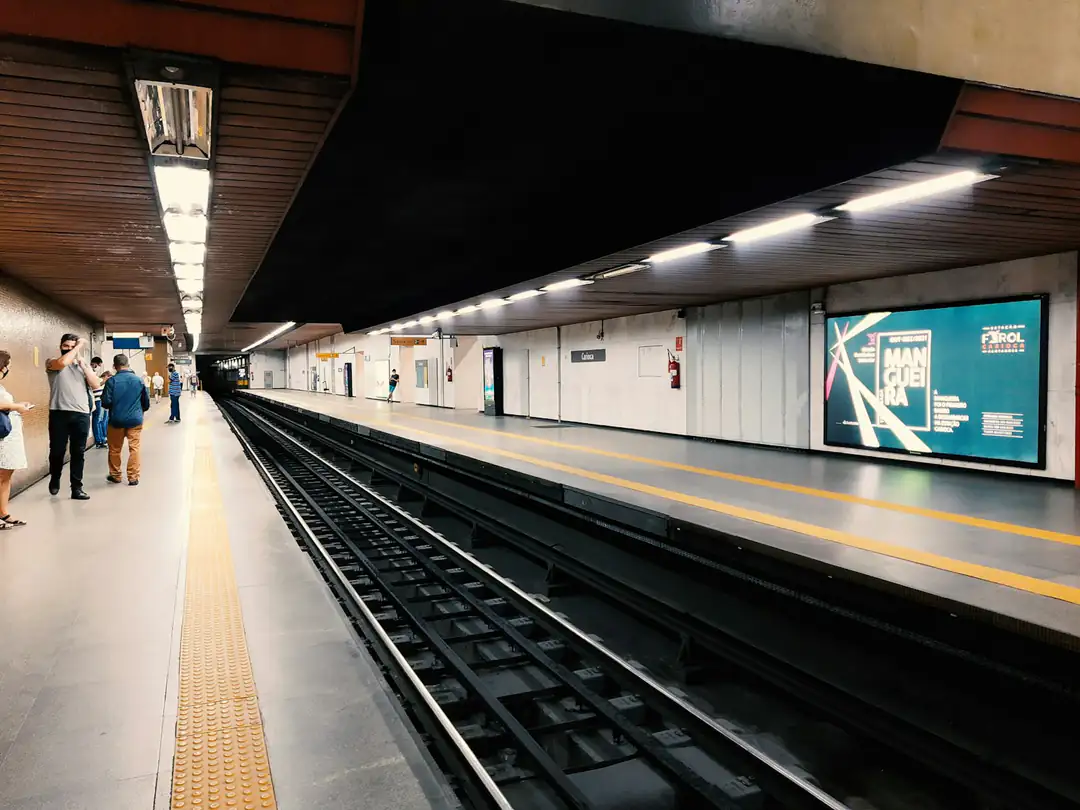
Rio's metro is useful for many of the areas visitors use most frequently. As in any crowded urban transport system, keep bags closed and pay attention to your phone and wallet.
For journeys late at night, travelling with luggage or routes you do not know well, a ride-hailing app can be more convenient.
Where should first-time visitors stay?
Ipanema, Copacabana and Leblon are obvious choices because they put you close to the beaches, restaurants and plenty of tourist infrastructure. Botafogo is another interesting option, especially if you want a more residential feel while remaining well connected.
Wherever you stay, I would rather choose a well-reviewed property on a busy street than save a few euros for somewhere isolated. Read our guide to how many days to spend in Rio before deciding where to base yourself.
My practical Rio safety rules
I would follow a few simple habits:
Keep expensive jewellery at the hotel. Carry only the cash and cards you need. Use your phone discreetly on the street. Avoid empty beaches after dark. Use Uber or a taxi when a route feels uncomfortable. Ask your accommodation about areas you plan to visit. Most importantly, trust your instincts.
If a street suddenly feels wrong, turn around. There is no medal for completing the exact route Google Maps suggested.
FAQ - Is Rio de Janeiro Safe? Safety Tips for Tourists
Is Rio de Janeiro safe for American tourists?
American, European and other international visitors regularly travel to Rio. The same practical precautions apply regardless of nationality, particularly around phones, valuables and walking alone at night.
Is Copacabana safe?
Copacabana is one of Rio's busiest tourist areas. Visitors should still watch their belongings, especially on the beach and along crowded streets.
Is Ipanema safe?
Ipanema is popular with international travellers and has plenty of restaurants, hotels and activity throughout the day. Normal big-city precautions are still sensible.
Is it safe to walk in Rio at night?
It depends on the area and specific street. In busy nightlife zones short walks may be normal, but for longer journeys I would generally use an app-based ride.
Should safety stop me from visiting Rio?
For most travellers, no. Prepare properly, stay aware of your surroundings and make sensible transport choices.
Is the metro safe for tourists in Rio de Janeiro?
The metro is a practical way to cross many visitor areas. Keep normal city awareness, watch your belongings in crowds and check the operating hours for your return.
Can you use your phone in public in Rio?
Yes, but avoid standing distracted at a curb or displaying it for long in a crowd. Step into a shop or another settled spot when you need to check a route.
Are taxis and app rides safe in Rio?
Use the official taxi rank or book through a known app, check the vehicle details and share your trip when useful. Confirm your pickup point before getting in.